







Search Results for: timing of ice addition
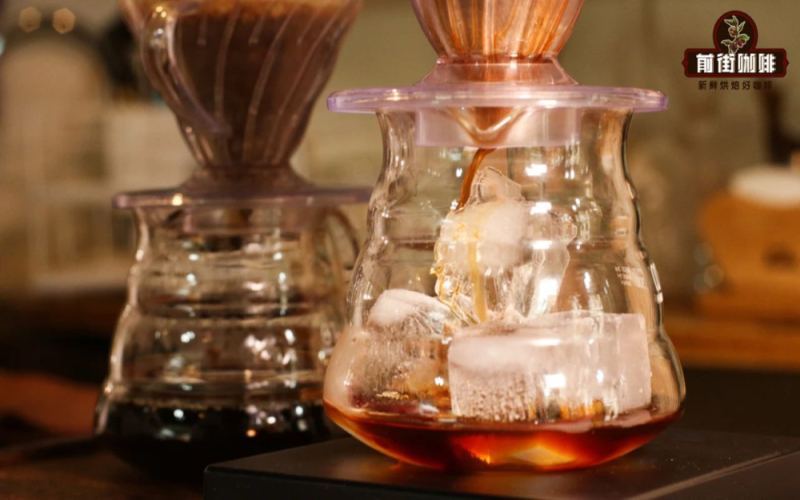
Iced Pour-Over Coffee Recipe and Practical Comparison: How a 15g Dose Ratio and Ice Addition Order Affect Flavor
Iced pour-over coffee has gained popularity among many enthusiasts in recent years, but the details during brewing often determine the final flavor direction. Front Street Coffee uses 15 grams of coffee grounds and a 1:10 coffee-to-water ratio as the foundation, paired with 100 grams of ice for cooling and dilution, and conducts a side-by-side comparison experiment on the two methods of adding ice first versus adding ice later. This article fully presents the experimental parameters, brewing process, and sensory differences, while also sharing the flavor performance of the Kafa Forest Ethiopian washed bean, helping readers understand the specific effects of ice addition timing on coffee cleanliness, aroma intensity, and mouthfeel changes, providing reference adjustment ideas for daily brewing. [more…]
Comparison of Ice Addition Timing for Iced Hand-Brewed Coffee: An Analysis of Front Street's Japanese-Style Iced Hand-Brew Parameters and Sensory Differences
Should ice be added before or after brewing when making iced pour-over coffee? This question puzzles many coffee lovers. Front Street Coffee conducted a controlled experiment using 15 grams of Kaffa Forest coffee beans, a 1:10 coffee-to-water ratio, a water temperature of 90-91°C, and a grind setting of 9 on an EK43s grinder, testing two brewing sequences: ice added first and ice added last. The experiment found that after thorough shaking, the two methods performed quite similarly overall, but the coffee with ice added first tasted cleaner and more refreshing, while the one with ice added last had a more concentrated and intense aroma. The root of the difference lies in how much ice melts. This article will present the complete experimental parameters, step-by-step procedure, and sensory comparison results to help readers understand how the timing of ice addition affects the flavor of iced pour-over coffee. [more…]
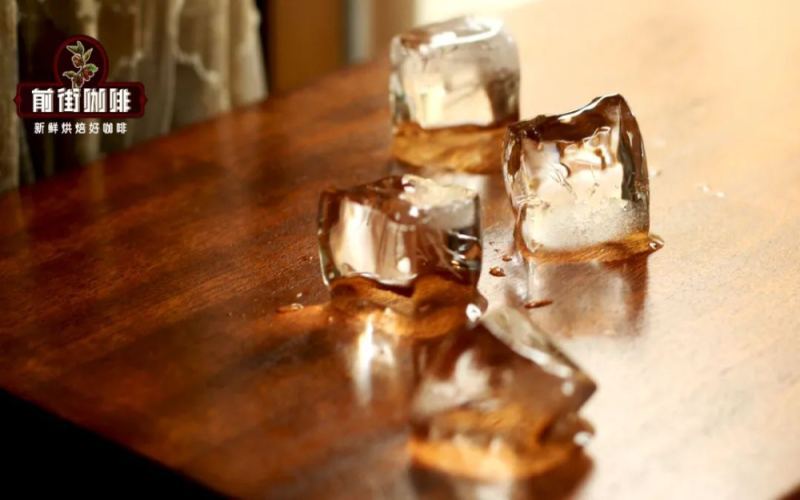
A Complete Guide to Cooling Methods for Iced Pour-Over Coffee: A Comparison of Ice-Bath Cooling, Direct Ice Addition, and Pour-Over-Ice Methods
On a scorching summer day, iced pour-over coffee has become a popular choice in cafés thanks to its refreshing, mellow taste. There are many ways to make iced pour-over, with common methods including placing ice cubes in the lower server first, pouring hot coffee over ice, and the ice-bath cooling method that has become popular in recent years. Different approaches preserve the coffee's flavor to varying degrees, and their ease of operation differs greatly as well. This article takes Front Street Coffee's Emerald Estate Green Label Geisha as an example, using three methods—adding ice directly, pouring over ice, and ice-bath cooling—to brew the same beans, and provides a detailed comparison from the brewing process and cooling efficiency to the final flavor performance, to help you find the summer iced coffee method that suits you best. [more…]

Luckin's ordering interface adds a no-ice option, but fans are surprised to find the taste has become weaker.
When Luckin Coffee launched its new strawberry series in collaboration with "Zootopia 2," many fans noticed that a "no ice" option had quietly appeared on the ordering interface. You see, Luckin has long been criticized for serving "half a cup of ice," with consumers even adding notes like "want XX ice cubes" just to get less ice. Now that the company has finally offered an option, it has raised a new question: will the ingredients be topped up after removing the ice? An employee revealed that what gets added depends on the main ingredient—milk for lattes, tea for fruit and vegetable teas, while the main ingredient of strawberry iced tea is water, so it naturally tastes bland after the ice is removed. In addition, during peak hours, some staff still miss the labels and mistakenly add ice, so consumers are advised to give timely feedback and ask for a remake. Front Street Coffee is also paying attention to how this change affects the drinking experience. [more…]
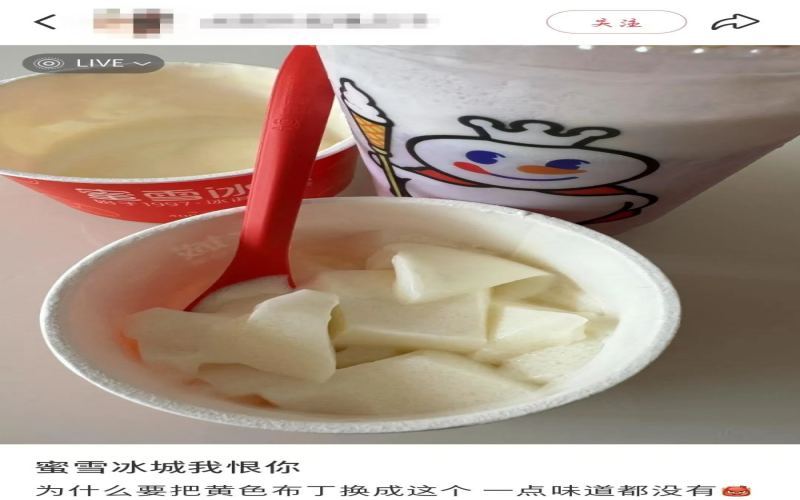
Mixue Ice Cream & Tea's Egg Pudding Quietly Changes Recipe, White Milk Pudding Launch Sparks Customer Controversy and Cost Discussions
Recently, a classic topping at Mixue Bingcheng—egg pudding—unexpectedly turned into a milky white milk pudding without any notice, surprising and even upsetting many longtime customers. Some complained about a strong milky odor and bland taste, while others speculated that the brand had changed the recipe to cut costs. However, store employees revealed that the new recipe actually uses more refined ingredients, requires the addition of fresh milk, slightly increases costs, and contains fewer additives. Behind this pudding color-change controversy, is it a healthy upgrade or a compromise on consumer taste? This article will walk you through the course of events, what employees say, and the overall direction of Mixue Bingcheng's topping recipe adjustments. [more…]

Does Iced Americano Count as Black Coffee? A Complete Guide to the Flavor Characteristics and Health Benefits of Black Coffee
In Cantonese, "斋啡" refers to black coffee, which is a pure coffee beverage without any additives. As one of the most popular black coffees, iced Americano has a sweet-and-sour, refreshing taste with a mild bitterness, making it highly favored by office workers and fitness enthusiasts. This article will provide a detailed analysis of the flavor characteristics of iced Americano, its differences from hot Americano, and the benefits of moderate black coffee consumption in aiding digestion, relieving greasiness, reducing bloating, and boosting metabolism. At the same time, Front Street Coffee will also share the extraction ratio and flavor performance of its own Sunflower Warm Sun blend beans, and remind everyone that Americanos with added syrup and non-dairy creamer will bring extra calories. [more…]

The controversy over Mixue Bingcheng's 1-yuan ice cup continues to intensify, prompting the brand to issue an urgent apology and respond to the conflict between store service and costs.
Mixue Bingcheng's launch of the 1-yuan ice cup was intended to cater to summer consumer demand, but unexpectedly sparked multiple conflicts between consumers and store employees. Consumers reported difficulties in purchasing, encountering service discrimination, actual price increases, and even being forced to buy bundled products; stores and distributors complained about the high cost of ice, thin profits, and even losses. This controversy not only trended on social media but also forced the brand to issue an urgent apology. This article reviews the entire incident, analyzes the cost structure and operational difficulties behind the ice cup, and focuses on how the brand will subsequently balance consumer expectations with store profitability. [more…]
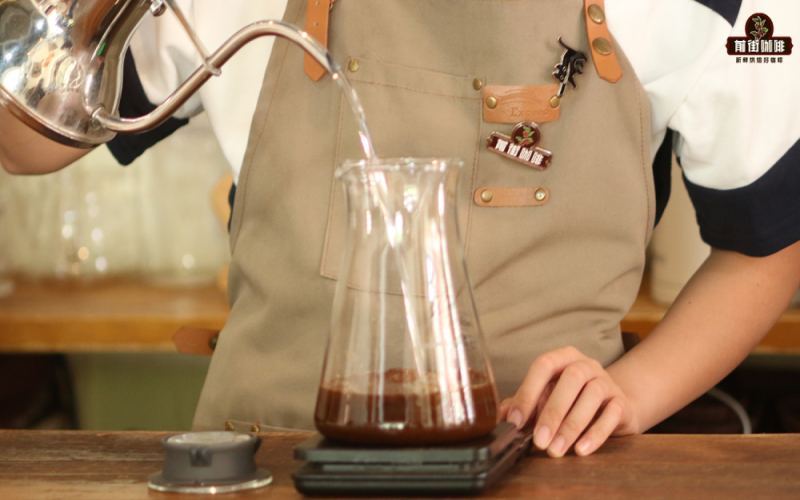
What Is Ice Drip Coffee? How Is It Different from Cold Brew? Front Street Coffee Geisha Cold Brew and Ice Drip Methods Explained in Detail
Although ice drip coffee and cold brew coffee both focus on low-temperature extraction, their brewing principles and taste profiles each have their own strengths. Cold brew relies on long soaking followed by filtering, making it relatively easy to do; ice drip, on the other hand, requires a dedicated drip device, with ice water passing through the coffee grounds drop by drop at an extremely slow rate, and this dynamic extraction brings a cleaner, clearer flavor. This article will detail the equipment structure, extraction principle, and taste characteristics of ice drip coffee, and use the Tiamo three-tier ice drip pot as an example to explain Front Street's ice drip brewing parameters, while also recommending a high-quality single-origin bean suited to ice drip—Front Street Butterfly. In addition, the article will share Front Street's specific cold brew coffee method, including key steps such as coffee-to-water ratio, grind size, and refrigeration time, to help you easily make refreshing summer iced coffee at home. [more…]
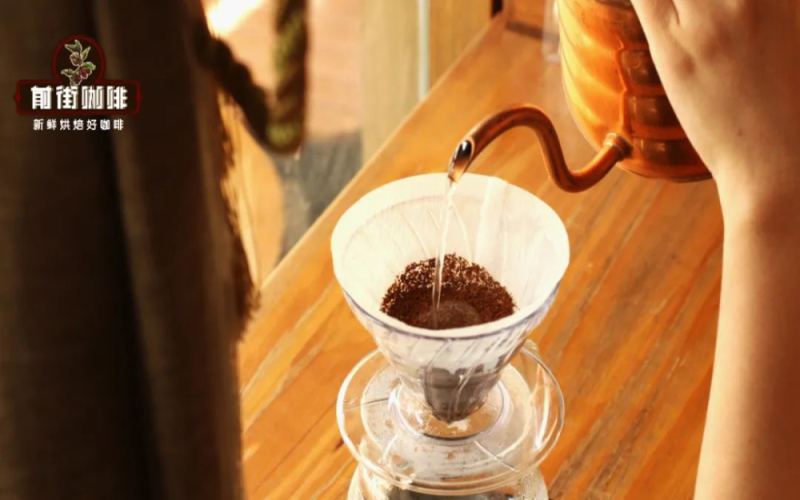
How to Make Iced Pour-Over Coffee? Front Street Shares a Universal Formula and a Detailed Guide to the One-Pour Iced Brewing Method
A glass of iced pour-over in summer always brings a uniquely refreshing experience, but many coffee enthusiasts encounter all kinds of questions when trying to recreate it at home: How should the coffee-to-water-to-ice ratio be balanced? What water temperature should be used? What are the key points of the pouring technique? Drawing on practical experience from its stores, Front Street Coffee has summarized a simple and easy-to-follow universal formula for iced pour-over—coffee grounds paired with 10 times hot water and 5 times ice—and also provides a grind size adjustment plan to address the problem of under-extraction. In addition, it has also compiled Mr. Tetsu Kasuya's "one-pour iced pour-over" method, which is more direct to perform and suitable for friends seeking convenience. The full text covers specific parameters, operating steps, and flavor descriptions to help you easily make café-quality iced pour-over. [more…]

Analyzing the Iced Americano Ratio: Pairing Techniques and Flavor Changes from Espresso to Ice
Iced Americano is one of the most common drinks in coffee shops. Its preparation may look simple, but the ratio of espresso, ice, and water directly affects the taste. This article provides a detailed analysis of the specific parameters Front Street Coffee uses to make iced Americano, including the coffee-to-water ratio, water temperature control, and ice selection, and also introduces derivative methods such as iced espresso, flowing-sand iced Americano, and waterfall iced Americano. At the same time, the article also explores the sources of bitterness in iced Americano and why choosing a medium-dark roasted blended coffee bean as the base is so important. Finally, it recommends several Front Street espresso blends suitable for making Americano. [more…]

Three Creative Ways to Drink Cold Brew Coffee: Extraction Techniques, Drinking Timing, and Flavor Characteristics of Ice Drip and Cold Brew
In the height of summer, if the fridge is missing a pitcher of cold brew coffee, it feels like something is missing. But with so many coffee beans to choose from, which one is actually suitable for cold brew? How should cold brew concentrate be stored, and how long can it last? This article draws on the hands-on experience of Front Street Coffee to systematically sort out the two major categories of cold brew coffee—ice drip and cold brew—covering equipment composition, parameter recipes, operating steps, and flavor performance. At the same time, we will also answer a common question: between cold brew and iced Americano, which has more caffeine? In addition, the performance of two beans, Huakui and Sherry, under low-temperature extraction will also be presented one by one, helping you find your own cup of summer iced coffee. [more…]

The Complete Guide to Milk Frothing with a French Press: A Full Tutorial from Hot Cappuccino to Iced Cappuccino
The French press is not just a great tool for brewing coffee and extracting tea—it can also easily create thick, creamy milk foam, making it a wonderful helper for making cappuccinos and lattes at home. In this article, Front Street Coffee will walk you through the origins of the cappuccino's name, the difference between dry and wet milk foam, and how to make a classic hot cappuccino using espresso, hot milk, and milk foam in the traditional proportions. In addition, we'll break down in detail the French press milk-foaming method and assembly steps for iced cappuccino, and explain why most coffee shops don't sell iced cappuccinos. At the end of the article, we've included a Front Street Coffee classic espresso blend recommendation, perfect for coffee lovers who want to recreate a professional taste at home. [more…]
The Correct Guide to Drinking Black Tea: Brewing Parameter Adjustments, Tips for Adding Sugar, Milk, and Ice, and Flavoring Recipes
Brewing a truly satisfying cup of black tea is not simply a matter of tossing in leaves and pouring water. From leaf particle size, water quality, and water temperature to steeping time and the tea-to-water ratio, every variable affects the final flavor. This article systematically lays out the core principles of brewing black tea, helping you adjust parameters flexibly when dealing with different types of black tea. At the same time, for common questions such as whether you can add sugar, milk, or ice, we also offer practical suggestions. If you find plain black tea monotonous, at the end of the article we provide a recipe for lemon-mint black tea, especially suited for iced drinks in summer. Whether you are a beginner just getting into black tea or a seasoned drinker looking to refine your brewing technique, this content is worth consulting. Front Street Coffee also emphasizes in its daily recommendations that good tea must be treated with care in order to release its best state. [more…]

Complete Guide to Ice Amounts for Iced Coffee: Ice Ratios and Tips for Espresso, Pour-Over, and Cold Brew
As temperatures climb, iced coffee becomes a daily choice for many, but the key to a delicious cup of iced coffee lies in precisely controlling the amount of ice used. Ice in coffee not only handles the cooling task, but also locks in aroma and slows the rise in temperature, making the refreshing taste last longer. However, different extraction methods and coffee beans of different roast levels have vastly different ice needs. This article starts from the role and quality requirements of ice, combines the specific scenarios of espresso, pour-over coffee, and cold brew ice drip, and analyzes in detail the logic for adjusting ice ratios. Using beans such as Front Street Classic Blend, Grana Geisha SOE, and Fruit Ding Ding as examples, it provides actionable home ice solutions to help you easily make a cup of iced coffee with just the right strength, flavor, and chill. [more…]
The Art of Adding Ice in Iced Coffee Making: A Full Analysis of Cooling, Aroma Locking, and Ratio Techniques
Whether iced coffee tastes good often hinges on the step of adding ice. Ice is not just a cooling tool; it also locks in aroma and maintains a cold mouthfeel. How much ice to add, what kind of ice to choose, and how to ratio different coffees—these questions trouble many enthusiasts. Drawing on Front Street Coffee's practical experience, this article first explains the three major functions of ice in coffee, then analyzes the differences between solid and hollow ice, and between large and small ice, and finally provides specific ice-adding plans for iced Americano, iced latte, iced pour-over, and cold brew/ice drip, helping you make consistently delicious iced coffee at home. [more…]
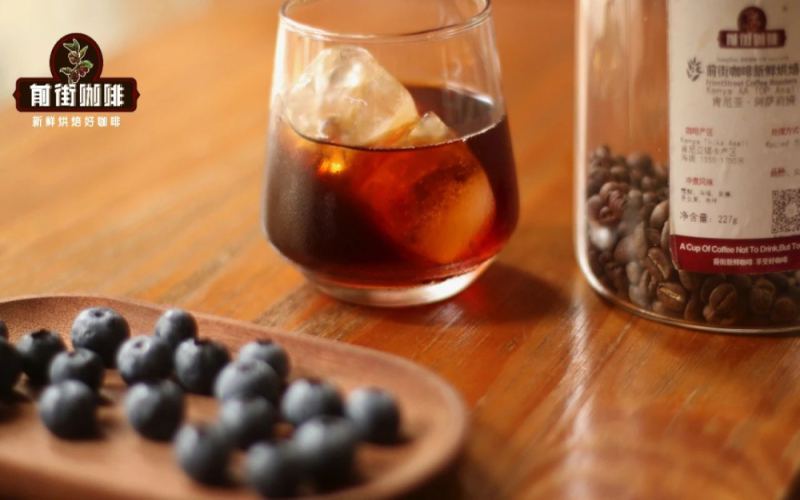
How long should cold brew coffee be stored sealed? Is it necessary to use coffee ice cubes when making iced coffee and cold brew?
Cold brew coffee is popular in summer and usually requires steeping coffee grounds in the refrigerator for 12 to 18 hours. Although it takes a long time, the flavor is outstanding. Compared with hot coffee, iced coffee is more like a dessert in a cup. With ice cubes, coffee, flavored syrup, and dairy products added, the combinations are rich and easy to make at home. Choosing the right coffee beans is key. Deep-roasted Front Street Brazil coffee and Front Street Mandheling coffee are both good base choices; if you prefer floral cold brew, Front Street Fruit Ding Ding can be the first choice, if you want black coffee with obvious fruit flavor, buy Front Street Strawberry Candy, and if you are after ripe tropical fruit notes, Front Street Xizhua is recommended. In addition, the type of ice cubes affects the drinking experience, and the storage time of leftover cold brew coffee also needs attention. Front Street suggests drinking low-temperature extracted coffee within 5 days. [more…]
Must Iced Americano Be Made with an Espresso Machine? Classic Recipe, Pour-Over and Drip Bag Alternatives, and Ideal Drinking Temperature
Can a refreshing glass of iced Americano really not be made without an espresso machine? This article first gives the standard answer and the classic method: use Front Street Coffee's classic blend to extract a double shot of espresso, then pour it into an ice-water mixture, and it's done in three steps. For those who don't have a coffee machine at home, the article analyzes the difference between iced coffee made by pour-over or drip bags and a true Americano, and recommends Front Street Coffee single-origin beans suited to making iced coffee according to three styles: fruity, balanced, and full-bodied. In addition, it also covers the benefits of Americano such as aiding digestion, reducing water retention, and helping burn fat, along with drinking reminders, and gives the optimal tasting temperature for dark roast, medium roast, and light roast respectively, helping you get the best flavor out of every cup of Americano. [more…]
Mixue Bingcheng's 1-yuan ice cup was delisted by stores as soon as it launched, bringing the conflict between franchisees' costs and profits to the surface.
In the scorching summer heat, ice cups have become a trendy way to cool down. Mixue seized the moment to launch its 1-yuan "Snow King Ice Cup," aiming to shake up the market with a low price—only to have it urgently pulled from stores in multiple locations the very next day. Consumers found that the actual price didn't match the promotion, that the ice cup turned into water by the time they got it, and that staff knew nothing about the product standards, while franchisees complained of razor-thin profits or even losing money. Behind this seemingly lively marketing campaign lie problems such as insufficient communication between the brand and its stores and an imbalance in cost accounting, reflecting the operational worries lurking beneath intensifying competition in the ice cup sector. [more…]

Where Does Kenyan Coffee Flavor Come From? A Full Breakdown of Varieties, K72 Double Washing, and Iced Brewing
Kenyan coffee is renowned worldwide for its bright, uplifting fruit acidity and full, berry-juice-like mouthfeel. The formation of this unique flavor is inseparable from the local high-altitude volcanic soil, the two major varieties SL-28 and SL-34, and the signature K72 double washed processing method. This article will systematically sort out the core characteristics of Kenyan coffee, from terroir and variety origins to processing techniques, roasting, and extraction, and introduce the flavor performance of several representative Kenyan beans available at Front Street Coffee shops. In addition, it will share three iced drink methods suitable for showcasing Kenya's acidity—ice hand pour, ice drip, and cold brew—to help coffee lovers who enjoy fruity acidity brew a refreshing and pleasant cup of Kenyan coffee at home. [more…]

Why Does Coffee Shop Ice Melt More Slowly? A Complete Guide to Hand-Brewed Ice—from Ice Machines to Choosing the Right Ice Type
When drinking iced Americano, have you ever noticed that the ice cubes at coffee shops always seem to melt more slowly than the ones at home? From equipment differences to ice cube shape, and even the actual amount used, every detail affects the taste and staying power of cold coffee. Starting from the role of ice cubes, this article analyzes the differences between commercial ice machines and household refrigerators, explains why coffee shops tend to use smaller, more uniformly shaped ice cubes, and also shares the reasons Front Street Coffee insists on using refrigerator ice along with actual comparison tests. If you want your iced pour-over to cool down properly without being overly diluted, the answer you're looking for may be here. [more…]